Introduction
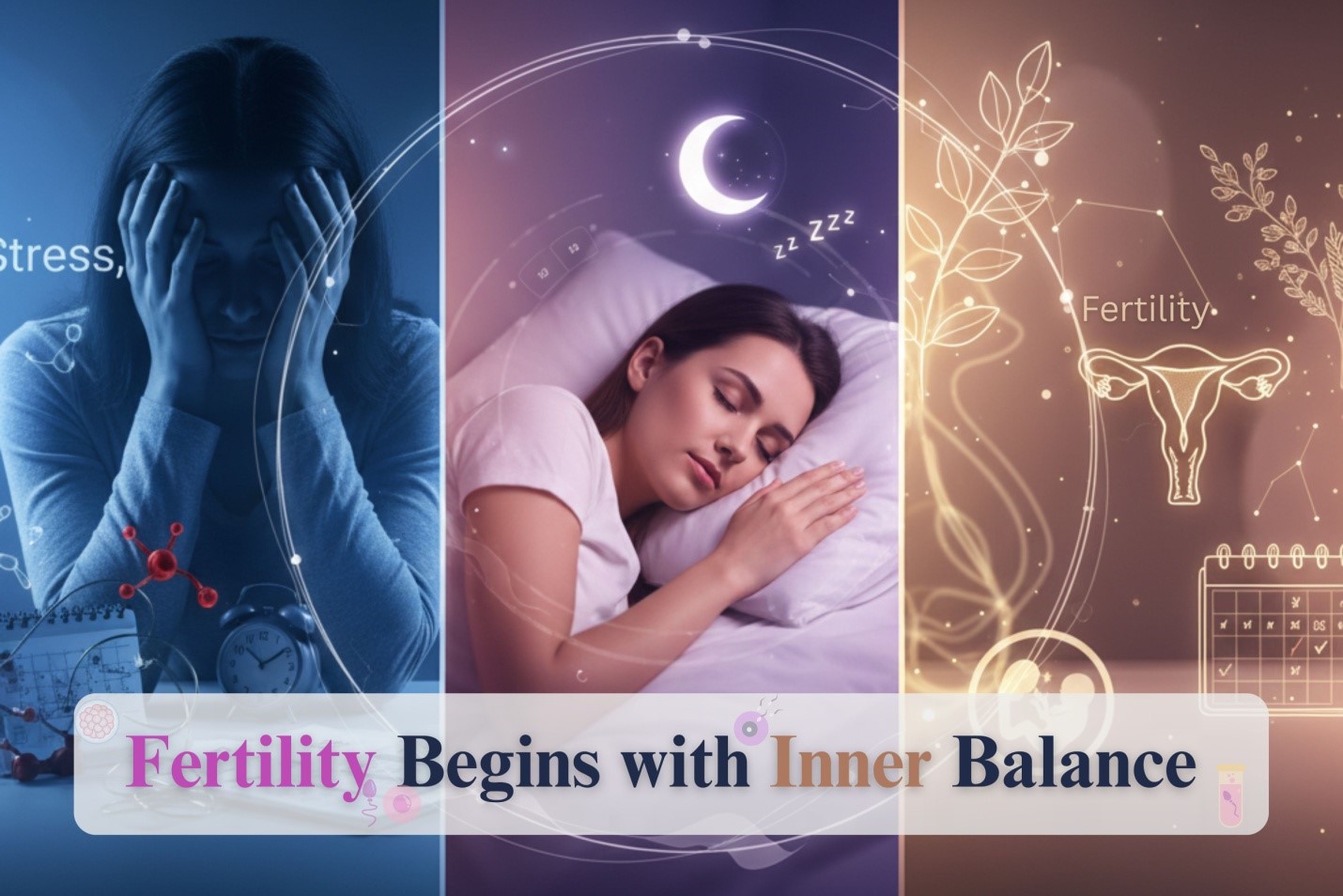
Many women have difficulties with hormonal imbalance, irregular periods, and infertility in today’s fast-paced lifestyle. Leading cosmetic gynecologist and PCOS specialist Dr. Shraddha Goel claims that stress and sleep deprivation are two of the most underappreciated elements affecting a woman’s reproductive health. Fertility is a complex interaction of hormones, mental well-being, and general bodily balance rather than just the reproductive organs. The first step to greater reproductive wellness and a healthy life is to comprehend the relationship between stress and fertility in women as well as the sleep and fertility connection.
Understanding the Hormonal Connection
Hormones are essential for controlling ovulation and menstrual periods. Fertility can be greatly impacted by imbalances in two important hormones: melatonin, which regulates sleep, and cortisol, which is the stress hormone.
How Stress Affects Hormonal Balance
A woman’s body produces more cortisol when she is under extended stress. Gonadotropin-releasing hormone (GnRH) and other reproductive hormones may be suppressed by this rise, resulting in irregular menstrual periods or even anovulation. Chronic stress can eventually interfere with the production of progesterone and estrogen, two hormones required for ovulation and conception, establishing a connection between stress and fertility in women.
How Sleep Regulates Reproductive Health
The body naturally resets hormonal rhythms through sleep. In addition to influencing circadian rhythm, the hormone melatonin, which is secreted during deep sleep, shields eggs from oxidative damage. Melatonin levels can be lowered by sleep deprivation, which can impact egg quality and raise the risk of infertility or early pregnancy difficulties. This creates sleep and fertility connection that many women ignore.
The Link Between Stress, Sleep, and Ovulation
A woman’s ovulation cycle is controlled by a synchronized hormonal feedback loop between the brain (hypothalamus and pituitary gland) and the ovaries. Stress and sleep deprivation and infertility are closely related because sleep loss and stress disturb this hormonal loop in multiple ways:
- Hypothalamic Suppression: The hypothalamus is disrupted by stress signals, which lowers the release of luteinizing hormone (LH) and GnRH, two hormones necessary for initiating ovulation.
- Elevated Cortisol Levels: Menstrual irregularities and poor egg maturation are caused by excess cortisol.
- Reduced Melatonin Production: Melatonin, which directly affects ovarian function and oocyte (egg) health, is impacted by insufficient sleep.
In women who are already at risk for hormonal problems like PCOS (Polycystic Ovary Syndrome), these disruptions may show up as delayed periods, missing ovulation, or difficulties conceiving.
Stress and PCOS: A Vicious Cycle
Stress has a greater impact on women with PCOS. A self-reinforcing loop can be created when symptoms like irregular periods, acne, and weight gain are made worse by emotional strain. Insulin resistance frequently deteriorates when stress hormones increase, exacerbating PCOS symptoms and making conception more difficult.
Many women with PCOS at Dr. Shraddha Goel’s PCOSmetic Gyne Clinic in Jaipur experience anxiety, poor sleep, and trouble controlling their weight, all of which have a direct impact on ovulation and fertility results. Therefore, addressing stress and sleep habits can increase the success of fertility treatments like IUI or IVF as well as the rates of natural conception. Her facility offers thorough PCOS treatment in Jaipur that takes a holistic approach to addressing these underlying problems.
The Impact of Poor Sleep on Fertility
Lack of sleep affects the endocrine system, metabolic equilibrium, and reproductive health in addition to causing exhaustion.
1. Disruption of Reproductive Hormones
Follicle-stimulating hormone (FSH), progesterone, and estrogen levels are all impacted by sleep deprivation. Hormonal imbalance in women as a result of irregular ovulation or luteal phase abnormalities, in which the uterine lining improperly supports implantation.
2. Increased Inflammation
Lack of sleep raises inflammatory markers, which can affect uterine receptivity and egg health. Chronic inflammation is also associated with endometriosis and other fertility-inhibiting conditions.
3. Reduced Libido and Energy
The likelihood of conception might be indirectly decreased by excessive fatigue brought on by sleep deprivation, which can impair libido and general interest in sexual activity.
4. Metabolic Imbalance
Lack of sleep impairs insulin sensitivity, which leads to weight gain and metabolic problems—conditions frequently associated with PCOS and infertility. This shows the strong link between sleep deprivation and infertility.
Psychological Stress and Its Effect on Conception
Long-term psychological stress can significantly impair fertility, even though transient stress is typical. The emotional strain of marital issues, money worries, or work pressure can have a physiological impact on the reproductive system.
1. Altered Menstrual Cycles
Women who are under a lot of stress often have missed or delayed periods because of hormone imbalance.
2. Difficulty Conceiving
Even among women undergoing fertility treatments, high levels of stress have been demonstrated to reduce the likelihood of conception. The effects of long-term stress on ovulation timing and egg quality demonstrate the significant relationship between stress and fertility in women.
3. Pregnancy Complications
Unmanaged stress might raise the chance of miscarriage, premature birth, or difficulties during pregnancy.
Steps to Improve Sleep and Manage Stress for Better Fertility
Fertility care, according to Dr. Shraddha Goel, includes lifestyle modification and mental health in addition to medical therapy. The following are doable actions that women can do to improve their natural reproductive health:
1. Practice Mindful Relaxation
Hormonal balance is promoted and cortisol levels are lowered by methods like yoga, deep breathing, and meditation. Even 10 to 15 minutes a day of mindfulness practice can help regulate menstrual cycles, restore calm, and promote stress management for fertility.
2. Maintain a Consistent Sleep Schedule
Try to get 7 or 8 hours of continuous sleep every night. To encourage the creation of melatonin, stay away from screens at least an hour before bed and keep your bedroom cold and dark. Regular sleep enhances the sleep and fertility connection naturally.
3. Eat a Hormone-Balancing Diet
Incorporate foods high in omega-3 fatty acids, lean meats, and whole grains. Steer clear of processed meals, sweets, and excessive coffee as these can worsen hormonal imbalances in women by raising cortisol and insulin levels.
4. Engage in Regular Physical Activity
Walking, swimming, or yoga is examples of moderate activity that lowers stress hormones and enhances sleep quality. Balance is essential because excessive exercise might increase cortisol levels and interfere with ovulation.
5. Seek Emotional Support
Joining a support group or seeing a therapist might help reduce emotional strain. It can be alienating to struggle with fertility, and emotional support frequently helps women regain control and optimism.
6. Consult a Specialist
Seeing a gynecologist for fertility treatment or a skilled fertility doctor in Jaipur like Dr. Shraddha Goel can help determine underlying hormonal or lifestyle causes if stress, sleep problems, or fertility concerns continue. In order to naturally restore reproductive balance, her clinic offers individualized PCOS treatment in Jaipur, fertility examinations, hormone therapy, and stress management for fertility.
When to Seek Professional Help
- It might be time to see a gynecologist or fertility expert if you exhibit any of the following symptoms:
- Missed or irregular menstrual cycles
- Having trouble getting pregnant after 6 to 12 months of consistent sexual activity
- Prolonged fatigue and lack of sleep
- Mood swings, anxiety, or depression
- PCOS symptoms such as hair loss, acne, and weight gain
The success percentage of both natural conception and assisted reproductive methods can be increased with early diagnosis and management.
Conclusion
Two of the most neglected aspects of female fertility are stress and sleep. A woman’s emotional and physical health have a significant impact on the complex hormonal balance that promotes ovulation, conception, and pregnancy. This system can become unbalanced by long-term stress, sleep deprivation and infertility, which lowers the chance for conception.
Restoring hormonal balance and reproductive health can be greatly aided by addressing lifestyle issues like stress management for fertility, sleep hygiene, and balanced eating, according to Dr. Shraddha Goel, a well-known cosmetic gynecologist and PCOS specialist in Jaipur. Women can take charge of their reproductive path and get closer to their goal of becoming mothers with the proper treatment, support, and medical advice at PCOSmetic Gyne Clinic Jaipur.
Take the first step toward restoring your hormonal balance and fertility—book a consultation with Dr. Shraddha Goel at PCOSmetic Gyne Clinic Jaipur today and begin your journey to better reproductive health.