Introduction
As more women learn about procedures that might boost comfort and confidence, cosmetic gynecology has received a lot of interest in recent years. Labiaplasty surgery is one of the most often mentioned therapies in this discipline. But a crucial concern that many women who are thinking about this treatment frequently ask is: Does labiaplasty affect sensation?
Cosmetic gynecologist and PCOS specialist Dr. Shraddha Goel says it’s important to know the facts regarding labiaplasty and nerves before making a choice. Online, there are a lot of myths and misconceptions that lead to unwarranted anxiety about nerve damage or lack of sensitivity.
In actuality, the labiaplasty treatment is intended to improve the size or shape of the labia while protecting critical nerve systems when carried out by a trained specialist. The facts regarding feeling, the science underlying the treatment, possible labiaplasty side effects, and what women might reasonably anticipate after recovery are all covered in this blog.
Understanding Labiaplasty Surgery
What Is Labiaplasty?
The goal of labiaplasty surgery, a type of female genital cosmetic procedure, is to reshape or shrink the labia minora, which are the inner skin folds that surround the vaginal opening. For improved symmetry and balance, the labia majora may occasionally also be treated.
Women who have this labia reduction surgery frequently choose to:
- Physical discomfort during exercise
- Irritation while wearing tight clothing
- Pain during intercourse
- Hygiene concerns
- Aesthetic dissatisfaction
The labiaplasty technique, which is a component of contemporary vaginal cosmetic surgery, aims to improve comfort and quality of life in addition to looks.
Why Women Consider the Labiaplasty Procedure
For a variety of medical and personal reasons, women choose labiaplasty surgery. The genuine advantages of labiaplasty can be made clearer by comprehending these causes.
1. Physical Comfort
Walking, exercising, or cycling may be irritated by enlarged or asymmetrical labia. Running, yoga, and wearing form-fitting clothes are among the activities that many women find uncomfortable.
2. Hygiene and Health
Sometimes, too much labial tissue can retain moisture, making discomfort or infections more likely. Better hygiene can be maintained with labia reduction surgery.
3. Emotional Confidence
Some women are self-conscious about how their genitalia look. Female genital cosmetic surgery can boost self-esteem and body confidence.
Female Genital Nerve Anatomy
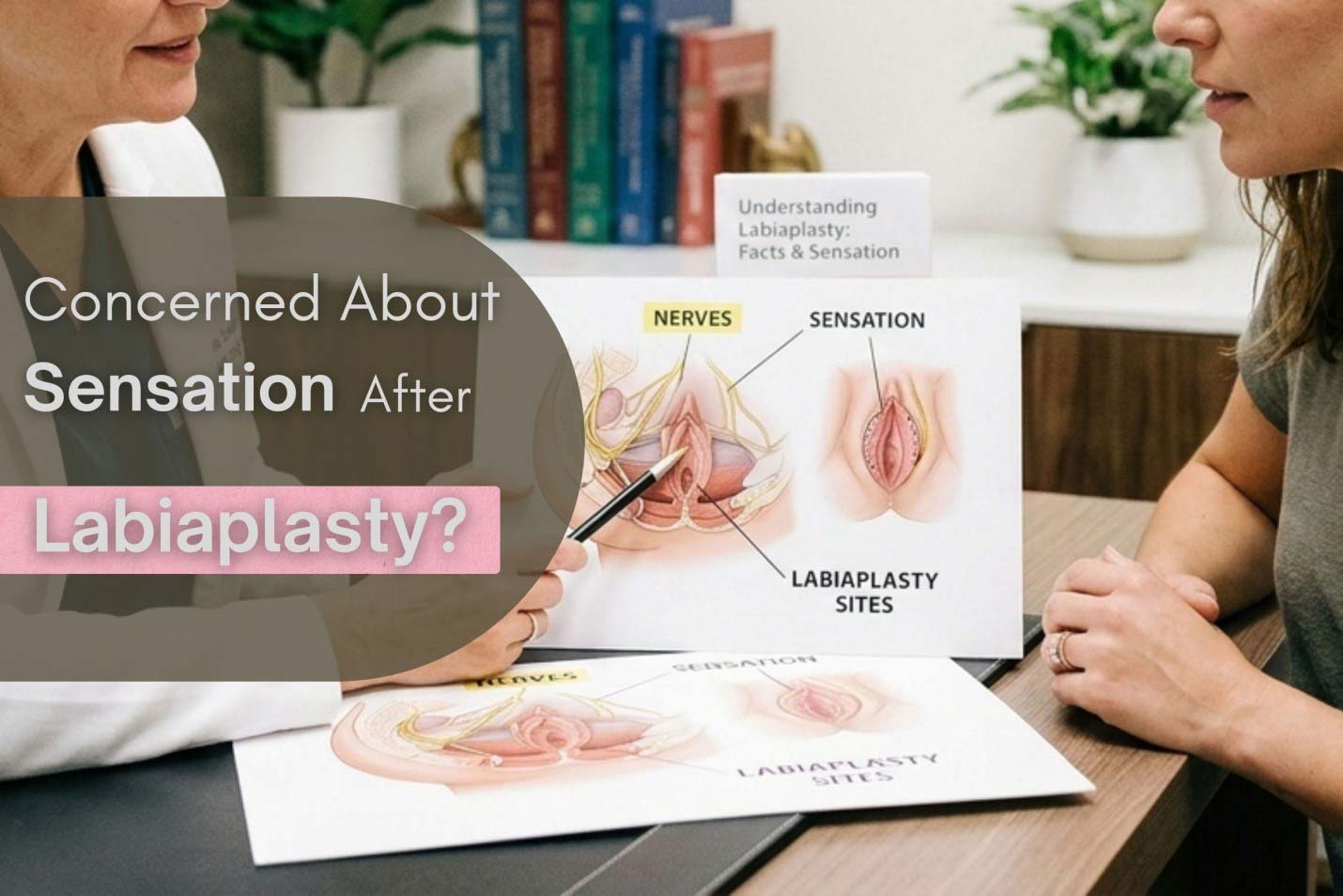
Understanding the vulva’s nerve structure is crucial to determining whether labiaplasty affects sensation.
Key Nerves Responsible for Sensation
A network of nerves that support sensation and sexual response is located in the vulvar area. These consist of:
- The pudendal nerve
- The dorsal nerve of the clitoris
- The perineal nerves
The clitoris, the main site of sexual experience, is home to most pleasure-related nerves.
Where the Labia Fit Into the Nerve Structure
Despite having sensitive nerve endings, the labia are not the primary source of sexual pleasure. The labiaplasty treatment is typically carried out in regions where the risk to major nerves is low due to this anatomical characteristic.
This is why, when performed correctly, labiaplasty surgery rarely causes permanent nerve damage.
Does Labiaplasty Affect Sensation?
Does labiaplasty affect sensation? is one of the most frequently asked queries on the internet.
The Medical Reality
The answer is usually no. When labia reduction surgery is done correctly, the vital nerve structures that provide feeling are preserved.
The goal of contemporary cosmetic gynecology treatments is to improve the contour and comfort of the labia while preserving natural sensitivity.
Temporary Sensation Changes
During the healing process, some women may have brief alterations, such as:
- Mild numbness
- Increased sensitivity
- Tingling sensations
As the tissues heal, these alterations, which are usually a natural aspect of labiaplasty healing, get better.
Labiaplasty and Nerves: What You Should Know
Reducing needless anxiety can be achieved by being aware of the connection between labiaplasty and nerves.
When doing vaginal cosmetic surgery, surgeons take care to stay away from regions that contain important nerves. The treatment does not involve the most delicate parts, particularly the clitoris and its dorsal nerve.
As a result, when the procedure is carried out by a skilled cosmetic gynecologist, irreversible nerve injury is incredibly uncommon.
Is Labiaplasty Safe?
Patients frequently wonder if labiaplasty is safe.
The patient’s compliance with post-surgical care instructions and the surgeon’s experience have a major role in the outcome.
Factors That Make Labiaplasty Safe
- Selecting a skilled cosmetic gynecologist
- Suitable surgical techniques
- Maintaining proper hygiene when recovering
- Following postoperative instructions
Labiaplasty surgery is considered as a secure and effective operation when these guidelines are followed.
Typical Labiaplasty Methods
Depending on the anatomy of the patient and the intended result, many surgical methods may be employed.
Trim Technique
By using this technique, extra tissue is removed from the labia’s outside edge.
Benefits include:
- Smooth contour
- Removal of dark or thick edges
- Natural appearance
Wedge Technique
This method involves removing a wedge-shaped piece of tissue from the center of the labia.
Advantages include:
- Maintains the natural border
- Maintains natural shape
- Reduces stress during recovering
In female genital cosmetic surgery, both techniques are frequently employed.
Possible Labiaplasty Side Effects
Labiaplasty surgery may have some transient adverse effects, just like any other surgical operation.
Common and Temporary Effects
These are the most typical labiaplasty side effects:
- Swelling
- Mild discomfort
- Bruising
- Temporary numbness
During the healing process following labiaplasty, these symptoms typically get better over time.
Rare Complications
Rare complications may include:
- Infection
- Excessive bleeding
- Scarring
- Prolonged numbness
However, when a skilled surgeon performs the operation, these risks are greatly decreased.
Labiaplasty Recovery and Healing Process
Patients can better prepare for the healing process by being aware of the labiaplasty recovery time.
First Week After Surgery
In the initial week, patients might encounter:
- Mild swelling
- Tenderness
- Minor discomfort
During this time, rest and good hygiene are crucial.
Weeks 2–4
During this phase:
- Swelling begins to reduce
- Daily activities gradually resume
- Healing continues
After 6 Weeks
Most women can return to:
- Exercise
- Sexual activity
- Normal routines
Although everyone recovers from labiaplasty differently, most patients do so in six to eight weeks.
Labiaplasty Benefits Beyond Aesthetics
The advantages of labiaplasty extend well beyond cosmetics, despite the fact that many individuals identify the treatment with beauty.
Improved Physical Comfort
When engaging in physical activities, women frequently find relief from irritation and friction.
Better Intimate Comfort
Reducing back on extra tissue can make intercourse less uncomfortable.
Enhanced Confidence
After having vaginal cosmetic surgery, many women say they feel better about their bodies.
Choosing the Right Cosmetic Gynecologist
One of the most crucial choices when thinking about labiaplasty surgery is choosing a qualified specialist.
Patients should look for:
- Experience in cosmetic gynecology
- Specialized training in female genital cosmetic surgery
- Positive patient reviews
- Transparent consultation process
A comprehensive consultation helps guarantee that the patient is aware of the dangers, expected results, and labiaplasty procedure.
Final Thoughts
One of the main worries women have before to labiaplasty surgery is fear of nerve injury and loss of sensation. But thanks to recent developments in cosmetic gynecology, labiaplasty is now safer and more accurate than before.
According to medical research, nerves and labiaplasty can coexist safely if the treatment is done correctly. The majority of women do not endure long-term alterations in sensation, and many even report feeling more at ease and self-assured.
Patients can make better selections if they are aware of the facts regarding the healing process, recovery period, and side effects of labiaplasty. When carried out by a qualified practitioner, labia reduction surgery can be a safe and life-improving alternative for women who suffer from discomfort or emotional suffering as a result of swollen labia.
Take the first step toward comfort and confidence. Book your consultation with Dr. Shraddha Goel today to learn whether labia reduction surgery is the right option for you.